
Changing the paradigm for analyzing illicit supply and drug trafficking in France
Mediterranean

As enforcement pressure intensifies in major northern European ports, traffickers are increasingly turning to western and central Mediterranean routes to move cocaine into Europe.

The port of Marseille as an outlier
Although the Port of Marseille-Fos is one of France’s major maritime hubs, it does not appear on the list of primary seizure locations. Seizures remain relatively small, and investigations often fail to uncover the volumes authorities expect. This can be explained in part by the fact that shipping lines reach Marseille only after stopping at Italian or Spanish ports, where cocaine can be offloaded more easily. As a result, traffickers tend to rely on land routes from Spain and Italy, or small vessels crossing the Ligurian Sea, making use of marinas and coastal drop-offs rather than Marseille’s container terminals. However, the lack of significant seizures may also indicate a well-organized trafficking operation that remains hidden due to networks of corruption, for example. This hypothesis, put forward by interviewees during the project, is supported by the paradox between Marseille’s strategic role as a cocaine hub and the absence of major seizures.
Land borders gain importance
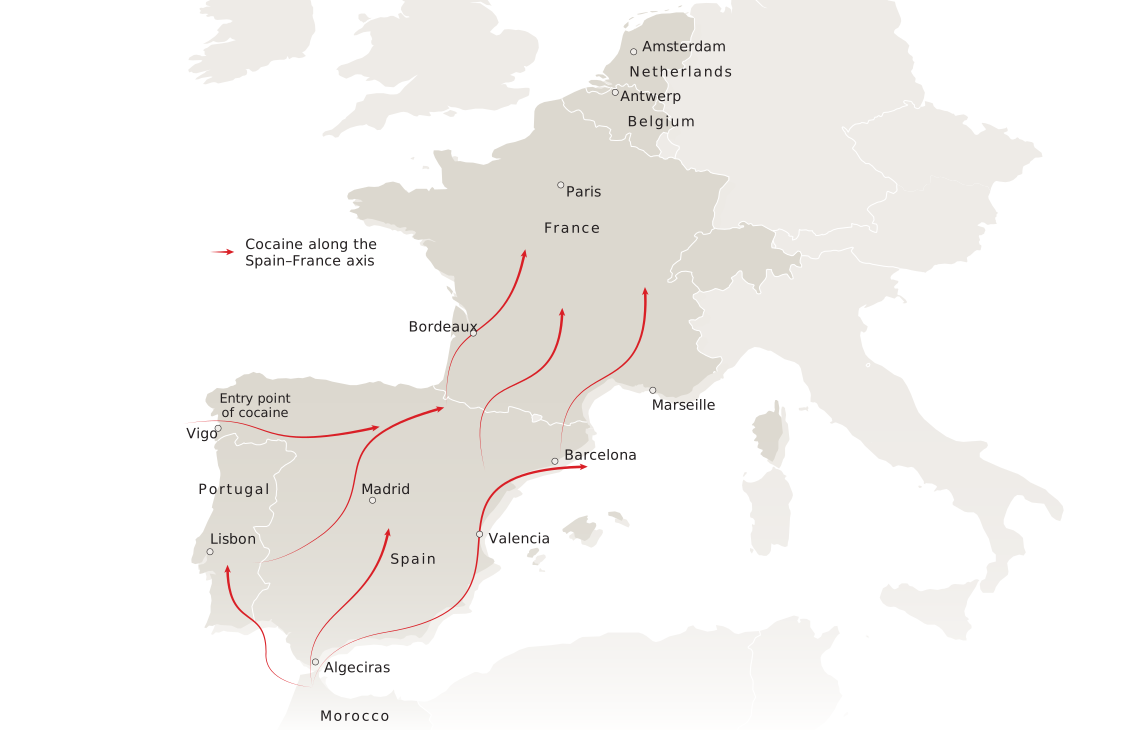
Drug seizures in France are increasingly occurring away from major ports. Although large cocaine consignments are occasionally intercepted in Atlantic and northern ports such as Le Havre, recent trends point to a shift toward smaller ports like La Rochelle, Rouen and Brest, where oversight is less intense. However, very large seizures still take place at land borders with Spain — especially along the Pyrenees.
The France–Spain corridor channels the large volumes of cocaine arriving through Iberian ports, while the Ventimiglia crossing on the Italian border has become a major route for cocaine entering or transiting France. Dense infrastructure, heavy traffic and close criminal cooperation across these border regions make them key chokepoints for seizures and a central focus for law enforcement efforts.
Connections between local groups and Latin American brokers
In France, local drug-traffickers are increasingly relying on direct connections with Latin American brokers to secure a steady cocaine supply and bypass intermediaries. These relationships allow French groups to access larger shipments, negotiate prices at source and become more deeply integrated into transnational networks. In turn, Latin American brokers benefit from the logistical reach, distribution capacity and territorial control offered by French groups. This growing alignment not only strengthens the operational autonomy of local actors but also internationalizes their business model, making France an increasingly important link in the global cocaine trade.
Presence of foreign actors
Foreign mafia groups — particularly Italian clans from Calabria, Sicily and Campania — maintain a long-standing presence in the Ventimiglia–Menton–Nice axis and in Corsica. Ventimiglia serves as a key gateway for flows of drugs and cash across the border, supported by established ‘Ndrangheta networks coordinating trafficking and money laundering. Menton and Nice host discreet but influential outposts that manage logistics, safe houses and investments, often blending into the local economy. These areas form a transnational corridor where Italian mafias operate alongside local actors, reinforcing their role in drug trafficking and illicit finance in southern France.
Use of smaller vessels
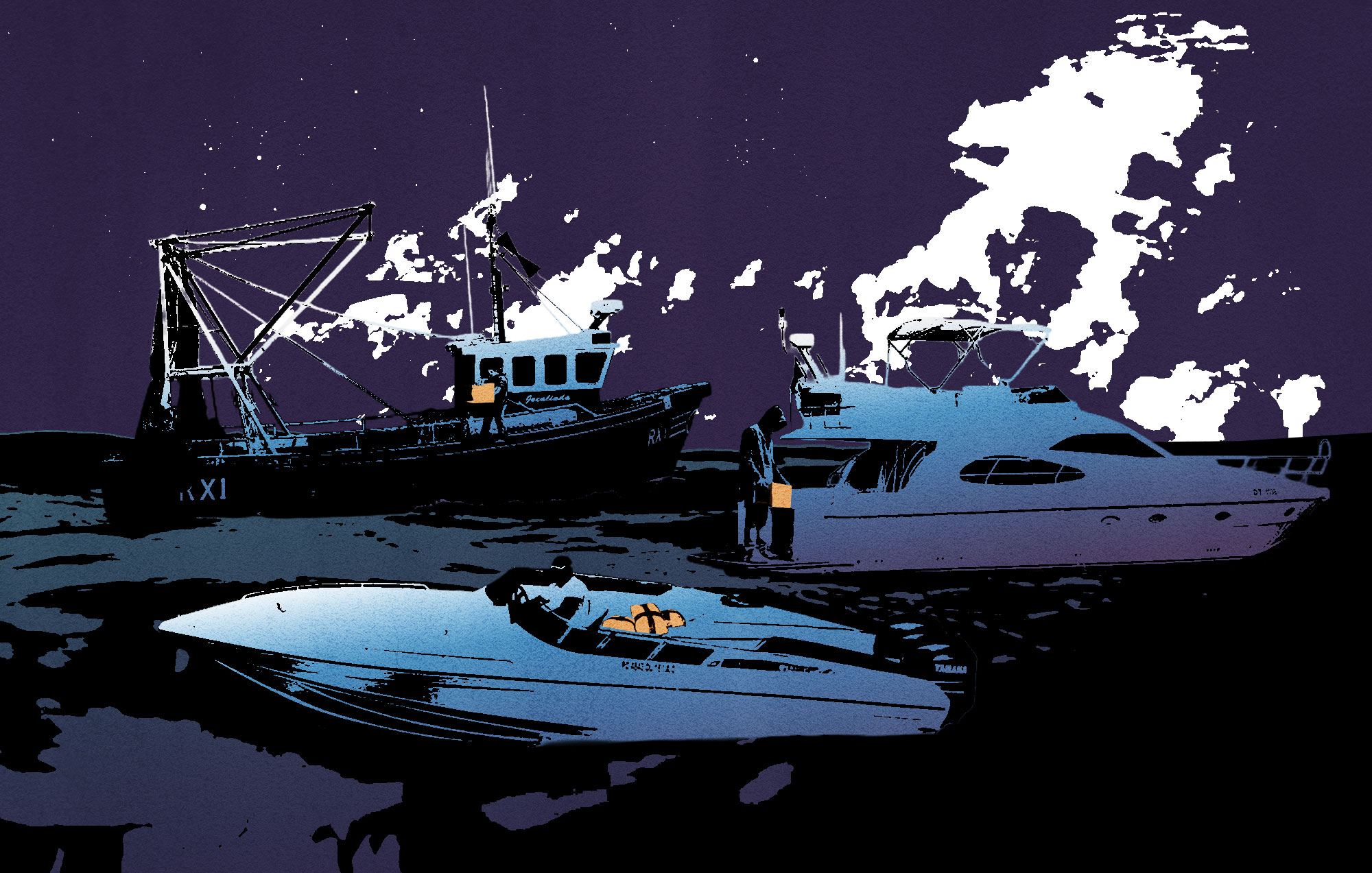
Cocaine traffickers are increasingly relying on small, agile vessels rather than large commercial ships to move their goods into France. Yachts offer discretion and blend easily into leisure traffic along the Côte d’Azur, while fishing boats can take advantage of routine coastal activity and access isolated coves. Speedboats are used for rapid transfers at sea, particularly for mid-Mediterranean drop-offs and short runs between Italy and southern France. These methods allow traffickers to bypass tightly controlled container ports, split shipments and remain largely undetected.
The ‘invisible’ service economy
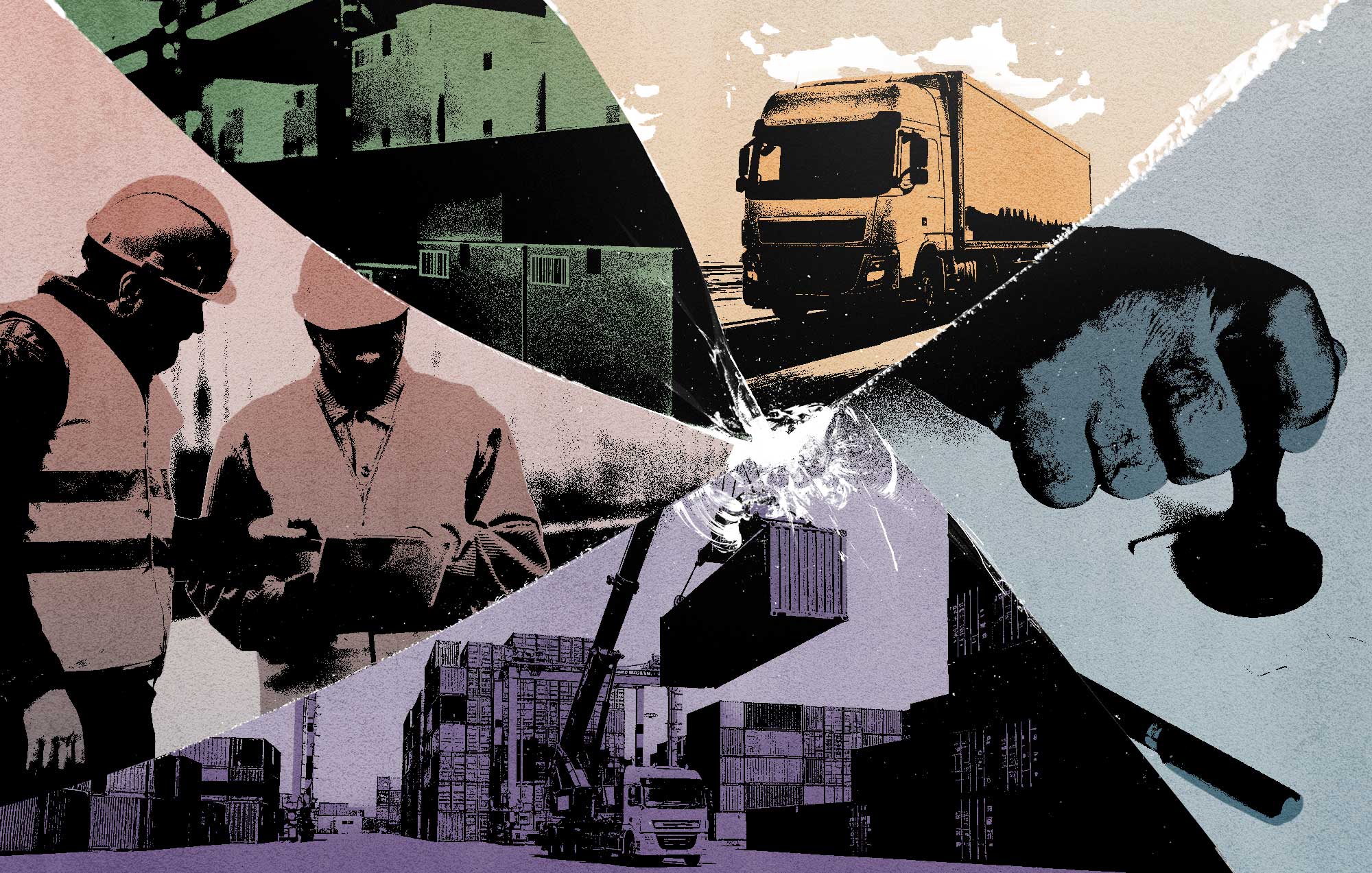
Behind major trafficking operations lies a vast, largely hidden service economy of professionals who facilitate drug movements without ever handling the product. These networks include transport specialists, truck drivers, document forgers, logisticians, financial intermediaries, interpreters, marina staff and brokers who arrange storage, safe houses or cross-border movement. Many operate as independent contractors, selling expertise rather than loyalty, and are essential for navigating borders, ports and logistical bottlenecks. This professional layer allows criminal groups to operate more efficiently, outsource risk and adapt quickly, making the illicit trade more resilient and harder for law enforcement to detect.