Cocaine trafficking to France
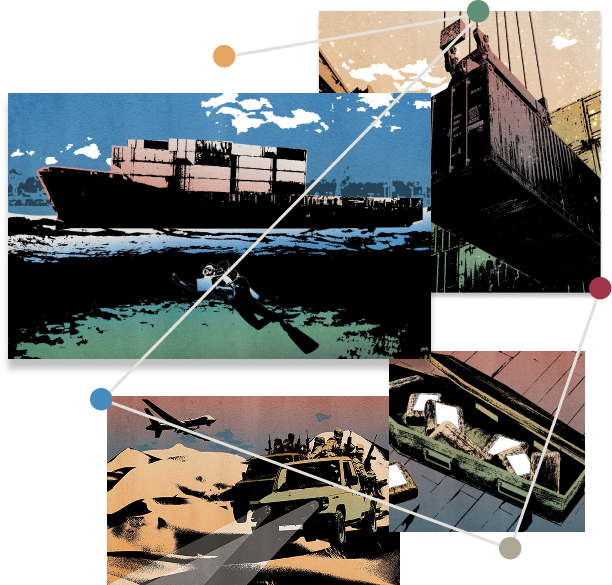
This digital tool presents six case studies illustrating how cocaine is trafficked to France, highlighting the dynamics and transnational networks that shape contemporary trafficking routes and hotspots. It draws attention to logistics; patterns of criminal adaptation in production areas in Colombia and the strategic transit zones, including French Guiana, Amapá (Brazil) and the French Antilles; and the maritime corridors used to ship cocaine from source to market.
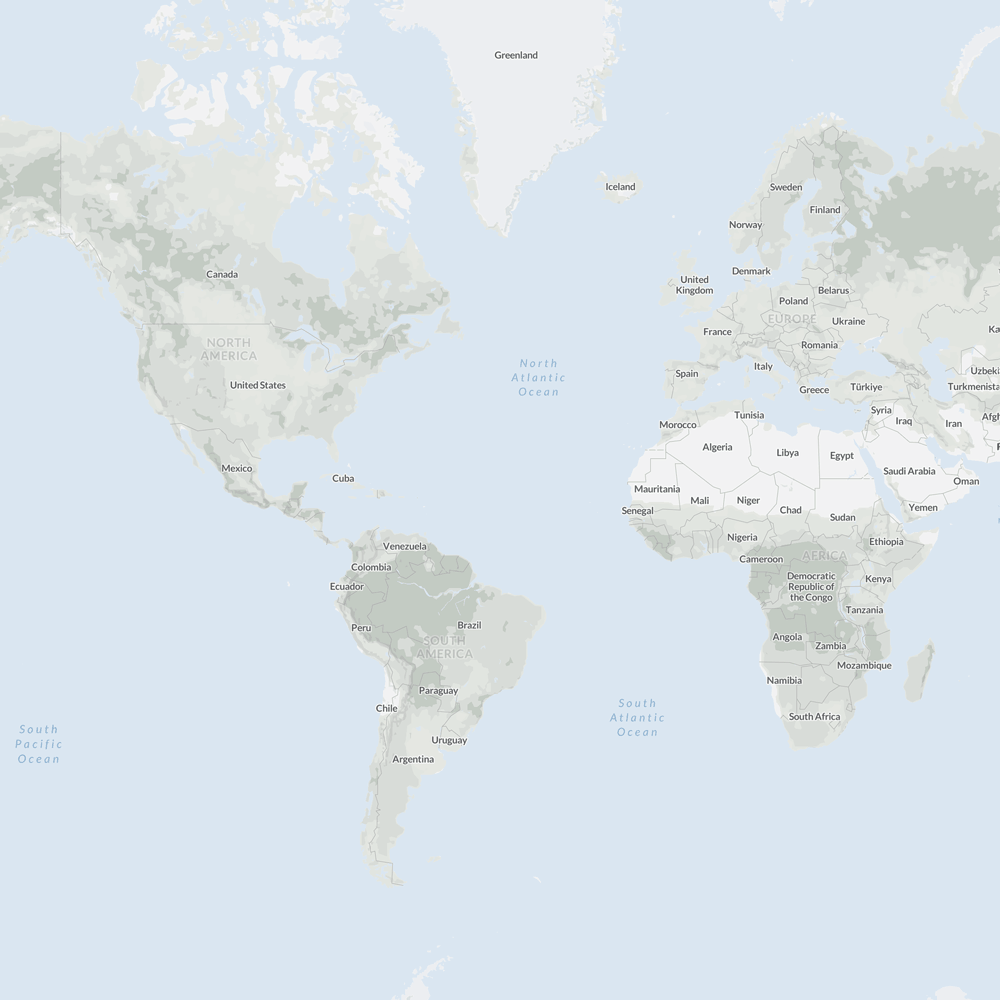
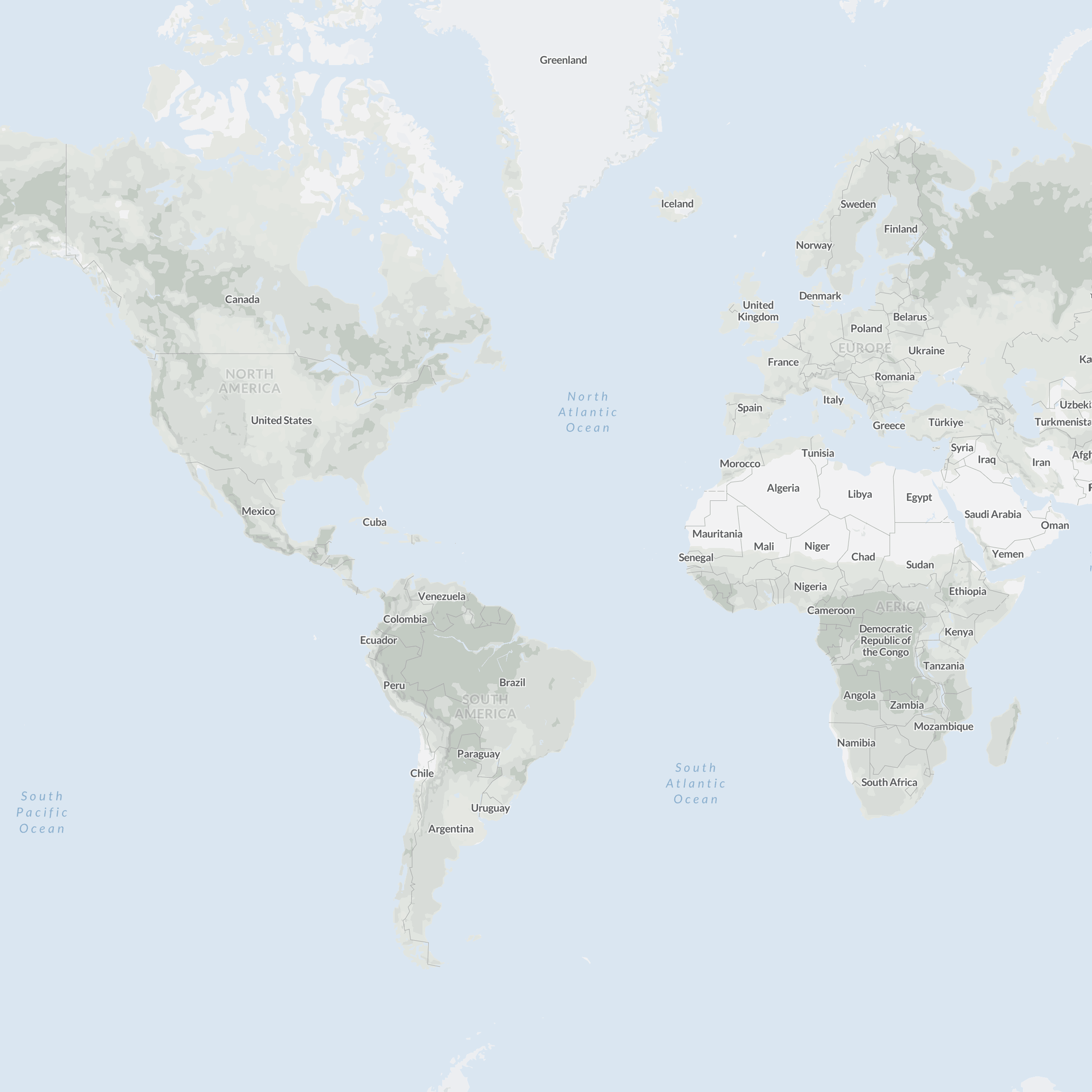
The case studies reveal how France is connected to a trafficking ecosystem linking Latin America, the Caribbean, the Sahel and southern Europe. They show how cocaine flows are increasingly relying on French overseas territories as transit and rebound hubs, following Sahelian routes and feeding into Mediterranean entry points. The tool shows how these geographical dynamics are having a cumulative impact on French security and policy responses, shedding light on a fast-changing market where crime intelligence is fragmented.