
Changing the paradigm for analyzing illicit supply and drug trafficking in France
French Guiana

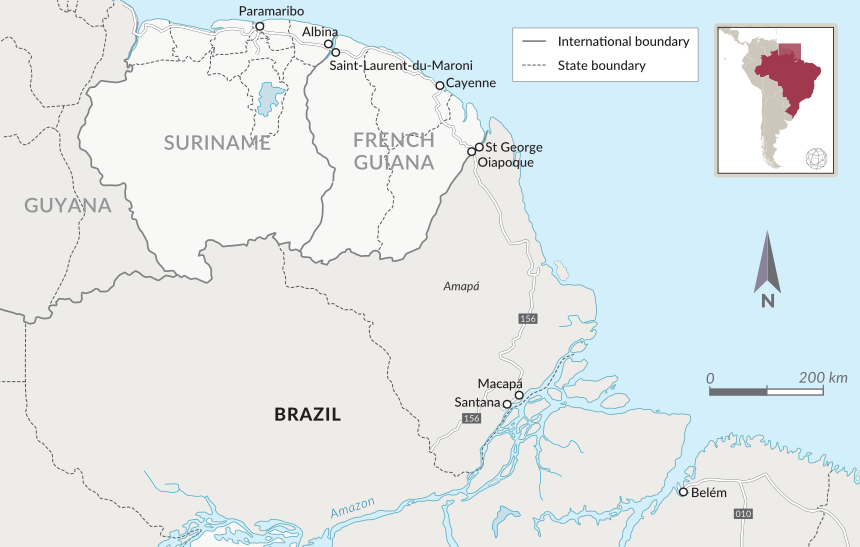
Situated outside of Metropolitan France while fully within its legal framework, French Guiana serves as a key transit point for cocaine moving from South America to France.
A porous border
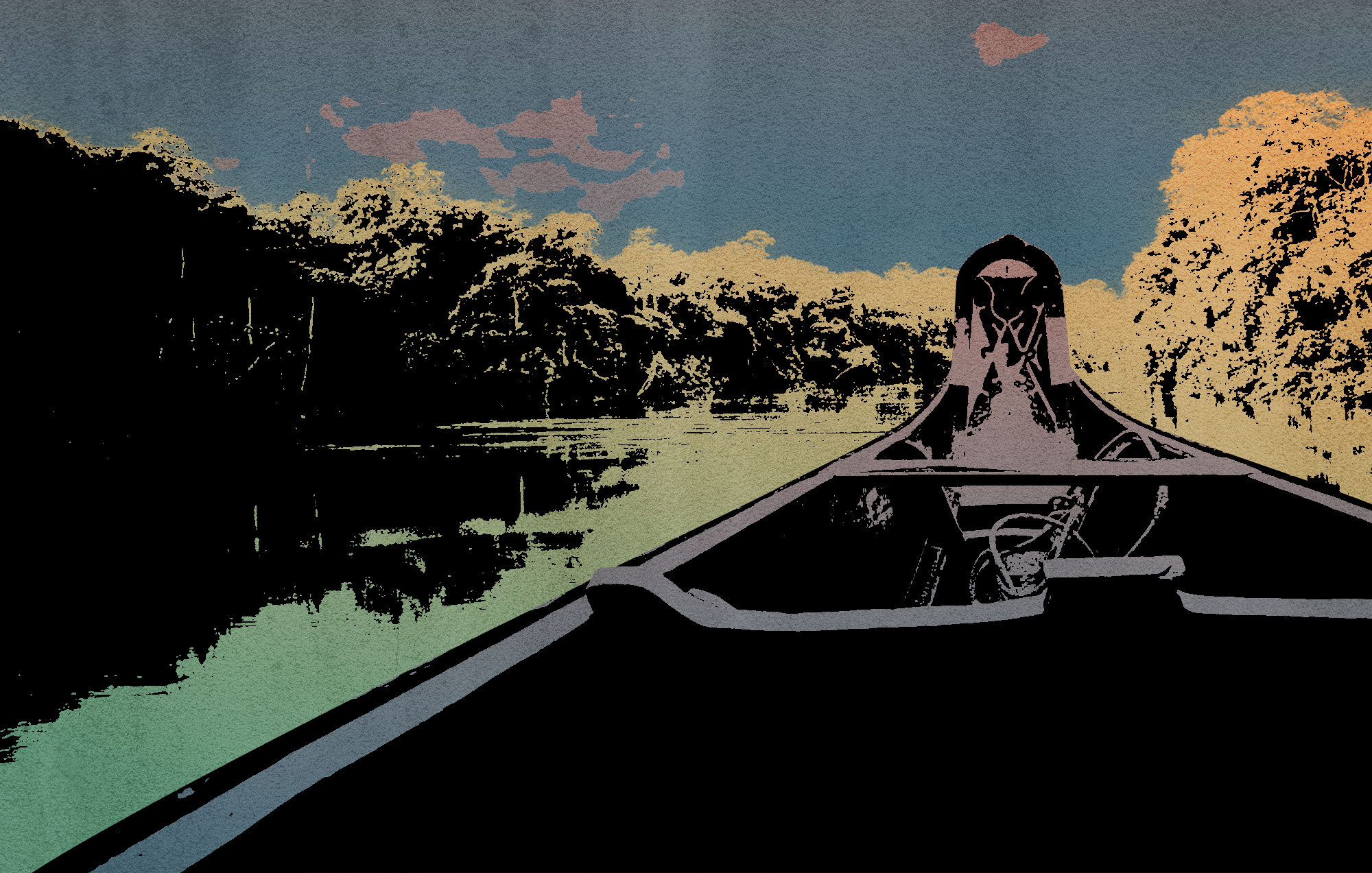
French Guiana’s border with Suriname stretches for nearly 600 kilometres along the Maroni River – one of the least monitored frontiers in the world. At key crossings such as Saint-Laurent-du-Maroni (French Guiana) and Albina (Suriname), the river is less than a kilometre wide, and a small boat can make the journey in about five minutes, enabling hundreds of crossings each day. This combination of a long, forested border and short crossing distances makes effective control extremely difficult, allowing the steady movement of people and goods — including cocaine — between Suriname and French Guiana.
Saint-Laurent-du-Maroni as a trafficking hotspot
Saint-Laurent-du-Maroni sits on the Maroni River, at the border with Suriname, where hundreds of unregistered boats cross daily with little oversight, creating a constant flow of people and goods. Within this traffic, small quantities of cocaine move discreetly using what authorities describe as ‘ant tactics’: many individuals carrying small amounts that blend into everyday river life.
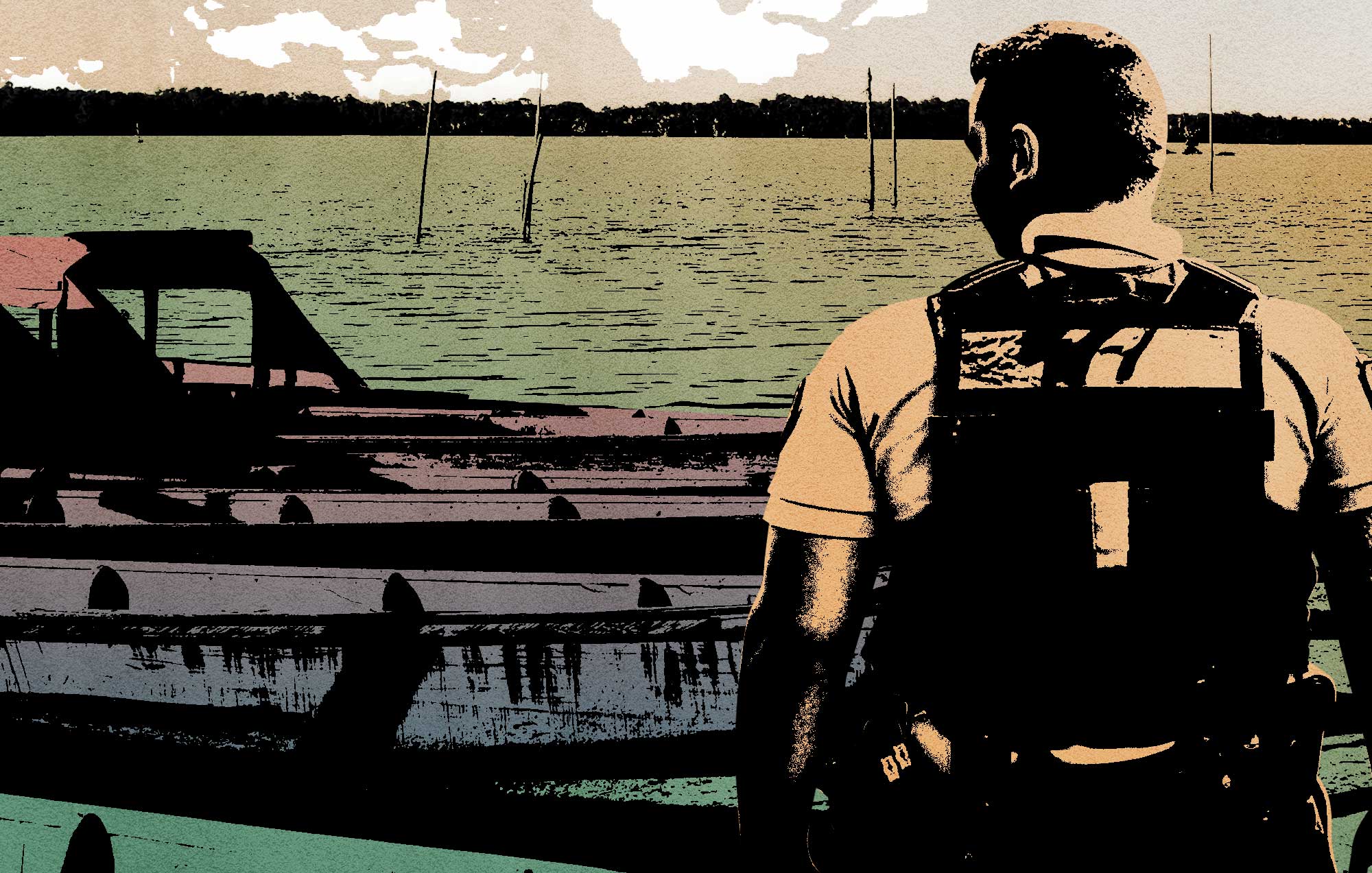
The city has become the main entry point for cocaine from Suriname and a staging hub where drugs are stored before being moved to the capital, Cayenne, and onward to Europe. High levels of poverty and limited economic opportunities make local youth easy targets for recruitment by small, neighbourhood-based networks, often starting as couriers or ‘mules’. Combined with rapid population growth and underinvestment, these conditions are fuelling rising violence and reinforcing the city’s central role in the regional cocaine trade.
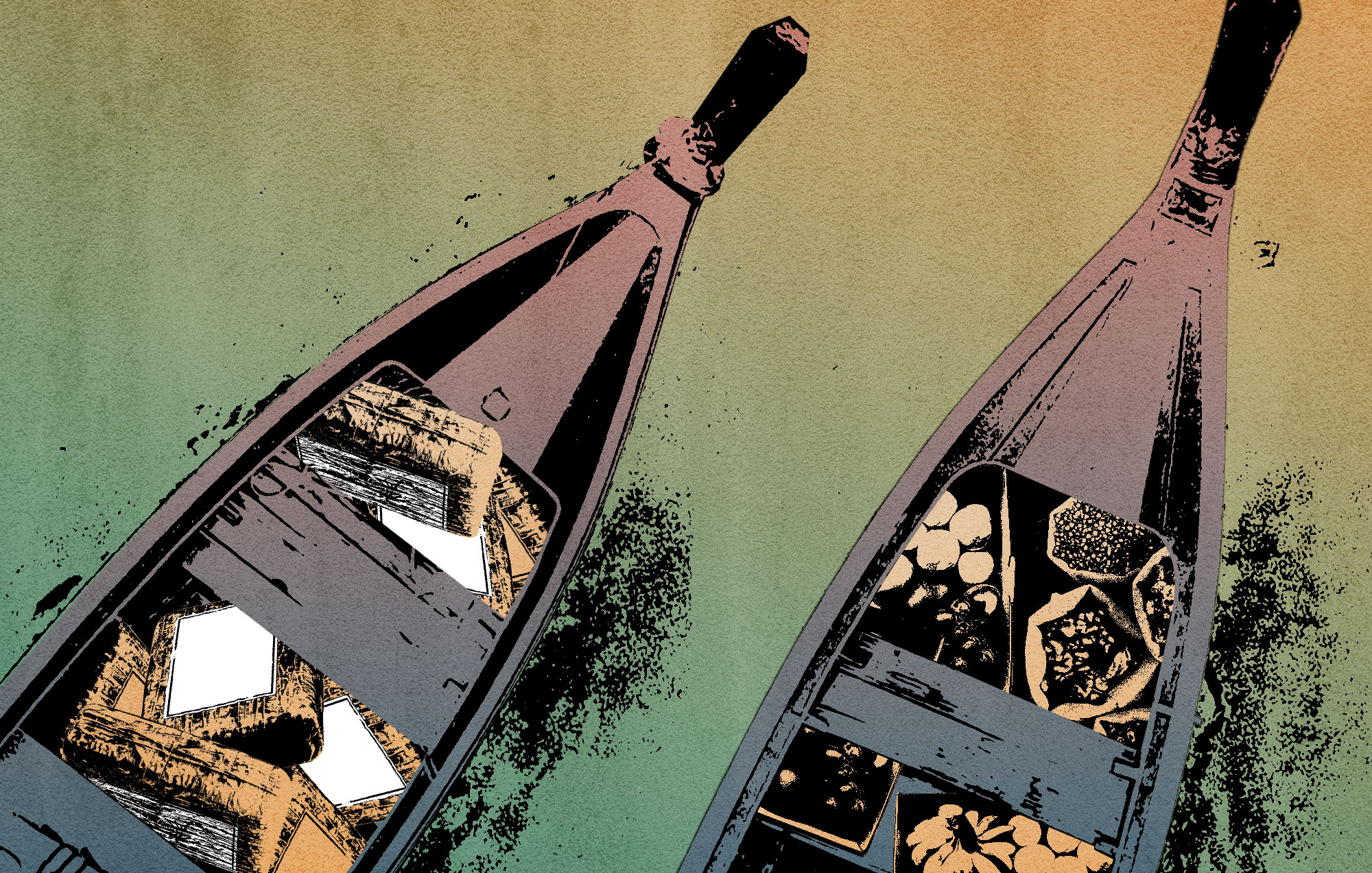
Everyday life along the Maroni River blends the routine with the illicit. Small boats carry groceries, families, building materials and workers throughout the day — movements so common they attract little attention. Cocaine travels within this flow, concealed among ordinary passengers and goods. The river serves simultaneously as transport route, marketplace and social space, and this constant, normalized activity allows trafficking to remain largely invisible.
Actors on the river
On both sides of the Maroni, trafficking relies on strong family ties and long-standing cross-border relationships. In Saint-Laurent-du-Maroni and Albina, networks are often informal groups rather than criminal organizations; extensions of neighbourhood and kinship structures, with relatives and acquaintances taking on various roles, from buyers in Suriname to transporters on the river or small-scale coordinators in French Guiana. These overlapping social ties foster trust and flexibility, enabling frequent small shipments. Rather than separating actors, the river connects them.