
Changing the paradigm for analyzing illicit supply and drug trafficking in France
Amapá

Over the past decade, cocaine traffickers in Brazil have increasingly rerouted their flows towards Amapá instead of the more established hub of Pará, turning the country’s northernmost state into the Amazon’s new cocaine trafficking hotspot.
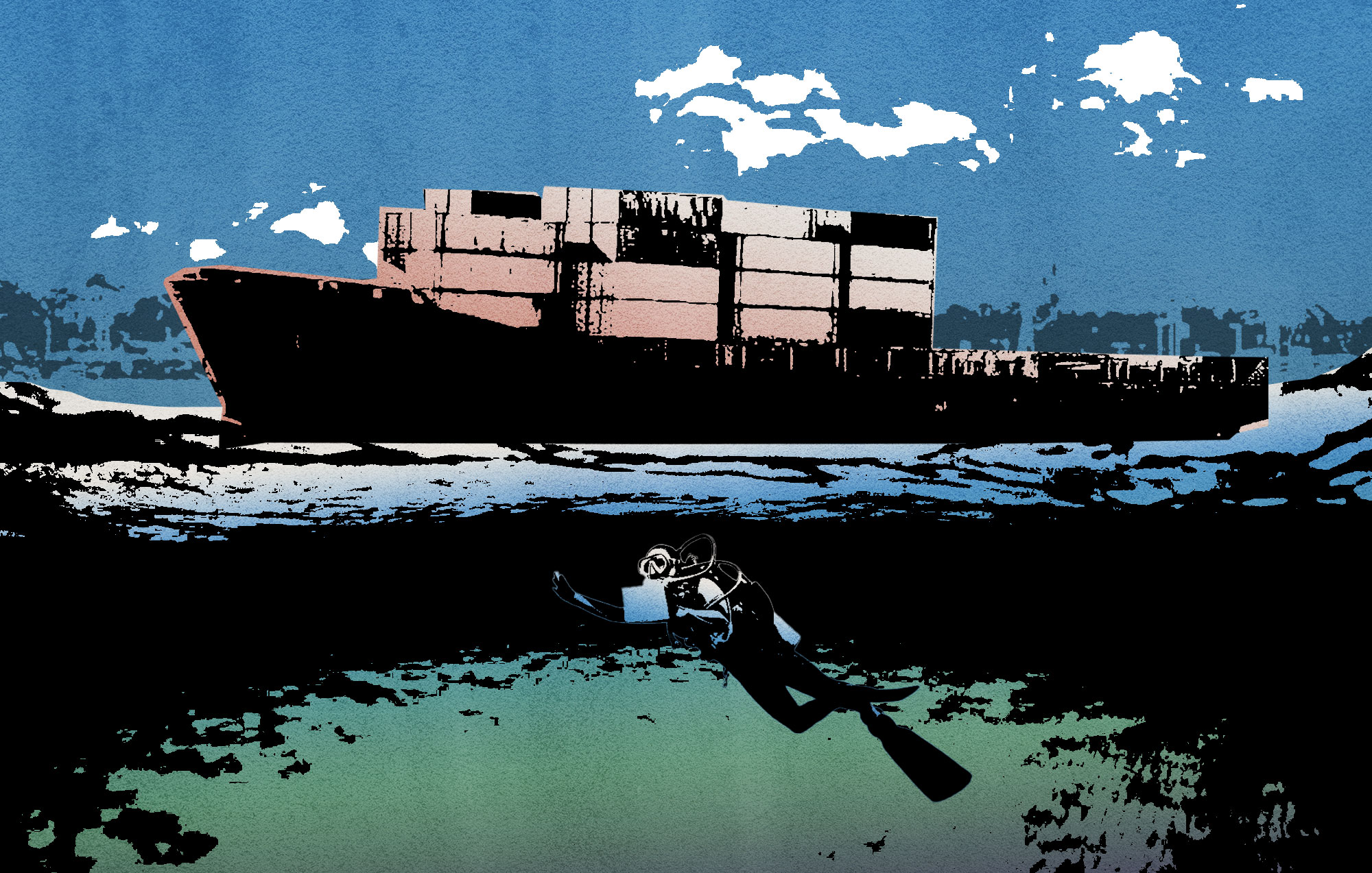
Professional divers
‘Narco-divers’ have become valuable assets in Amapá’s cocaine export operations, taking advantage of the long waiting periods of transatlantic ships anchored near the ports of Macapá and Santana. These specialists, often ex-navy divers or trained firefighters flown in from São Paulo or Rio de Janeiro, work at night in hazardous conditions in the deep river waters to attach cocaine loads to the sea chests of cargo vessels (the ‘rip-on’ method). Their expertise enables traffickers to carry out rip-on operations with remarkable precision, in conditions that have caused injuries to less experienced local divers. The involvement of these highly skilled professionals underscores how sophisticated trafficking logistics in Amapá have become, and the challenges law enforcement faces in the Amazon Delta.
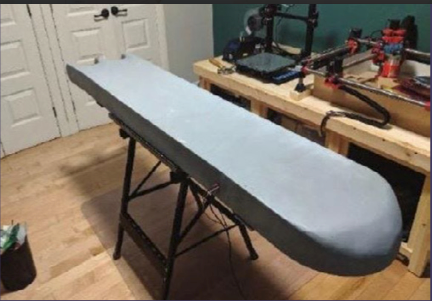
Submersibles
Submersibles are emerging as a new method of trafficking cocaine through Amapá. Submerged, these craft traverse the waterways of the rainforest, either carrying cocaine loads from the producing regions of Colombia or making the journey empty. Once they reach Amapá, the submersibles surface and are laid up on any of the various secluded river islands located near the ports of Santana and Macapá. There, they can be loaded with cocaine before making their way towards Europe. Submersibles have become an increasing feature of cocaine trafficking over the last decade, but are less common than the rip-on method or transport by fishing vessel.
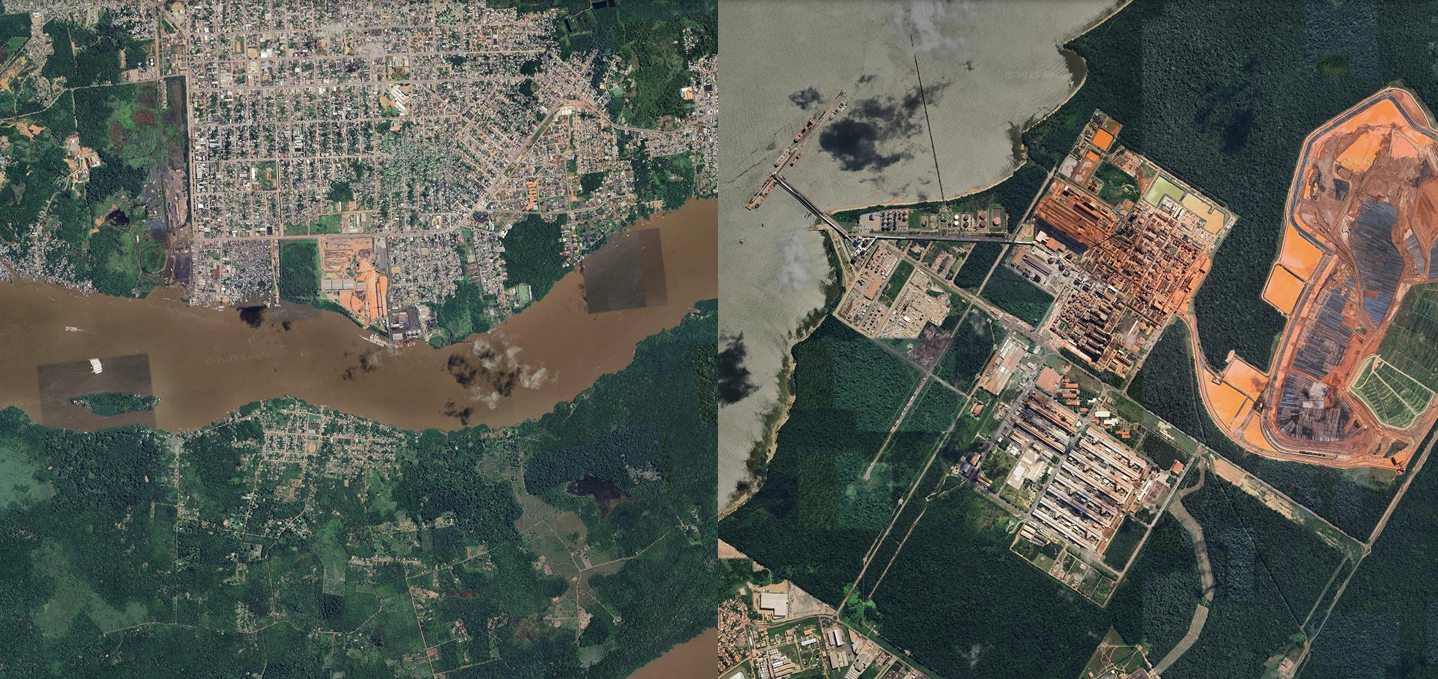 Source: Google Earth (c 2025 Google, Imagery c AirbusData SIO, NOAA, U.S. Navy, NGA, GEBCOCNES / AirbusMaxar Technologies)
The port of Santana
The port of Santana has become an important new node for criminals using the rip-on method to attach cocaine loads to ships bound for Europe. The island of Santana, a distribution hub for drug traffickers, lies across the Amazon River from the docks.
Weak presence of law enforcement
Amapá’s vast territory and sparse institutional presence have enabled drug trafficking groups to expand with little resistance. Although the state is roughly the size of England, its narcotics division is staffed by only 10 officers and has just five patrol cars, and is not up to the task of overseeing complex, multimodal trafficking routes encompassing forest, river islands and international borderlands. Given Amapá’s isolation, minimal federal oversight and the near-total absence of police in strategic zones such as Marajó and the river islands around Santana, criminal groups are able to evade surveillance, stash loads and consolidate territorial control. The enforcement gap facilitates cocaine flows and fuels escalating violence as competing factions exploit the state’s geographic and institutional vulnerabilities.
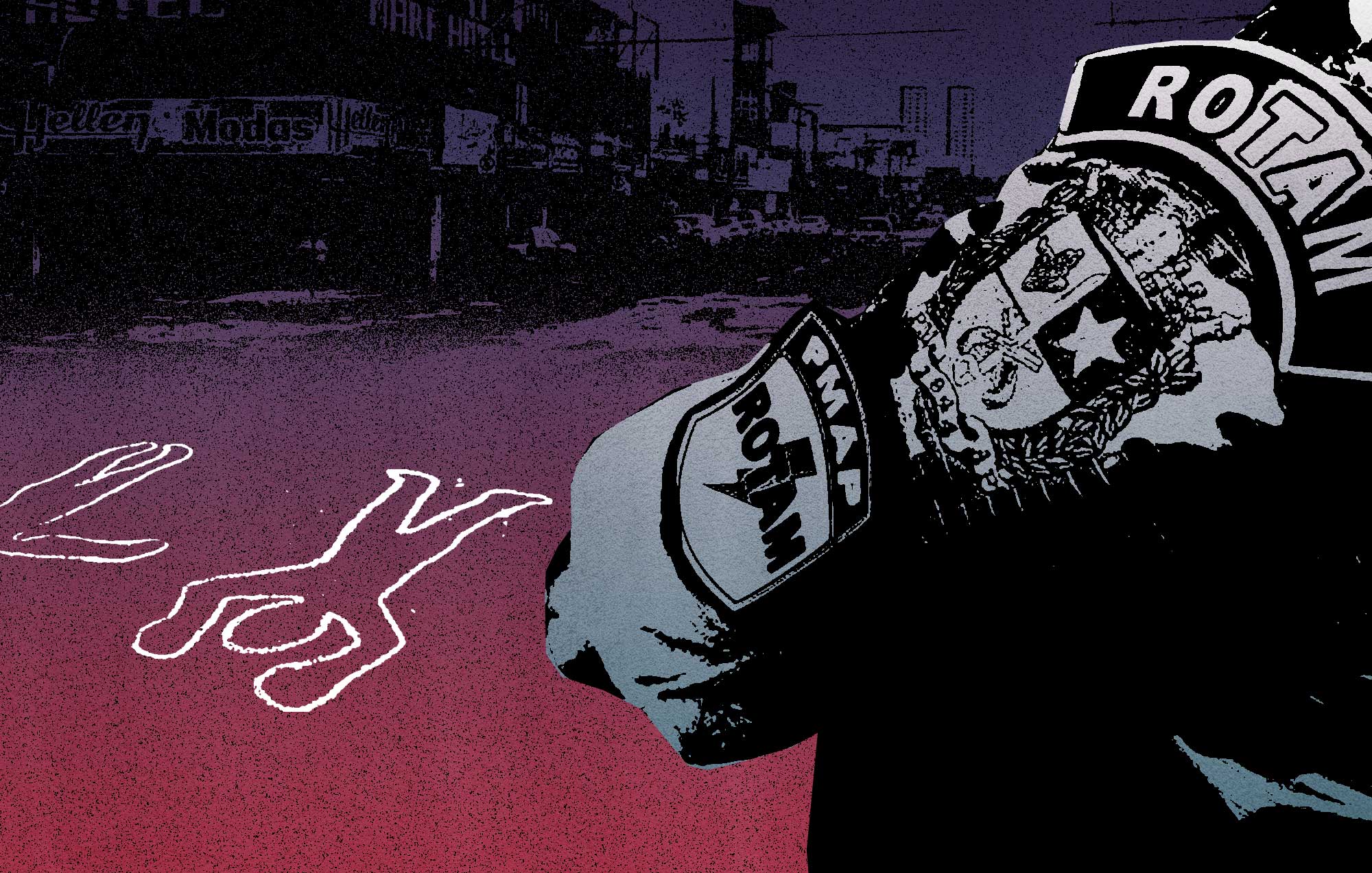
High levels of violence
Amapá’s soaring levels of violence illustrate how criminal competition has created a severe public–security crisis. The state recorded a homicide rate of 45.1 per 100 000 people in 2024 – the highest in Brazil and more than double the national average – driven in part by disputes among trafficking groups over lucrative drug routes. State violence also contributes significantly to the death toll. In 2024, police killed 137 people, accounting for over a third of all homicides in the state. The police tend to frame this as the result of defensive actions during armed clashes with drug traffickers. However, data reveals that police officer deaths are infrequent in the state. Rather than being directed towards a so-called ‘war’ with drug traffickers, lethal police violence has become a generalized trend that exacerbates insecurity in Amapá. Summary executions of unarmed civilians by law enforcement are becoming increasingly frequent in what was, until a decade ago, a remote and largely peaceful region of Brazil.
Criminal competition
The growth in cocaine trafficking through Amapá has been shaped by shifting alliances and rivalries between Brazil’s two largest criminal organizations, the Primeiro Comando da Capital (PCC) and the Comando Vermelho (CV). Both groups initially ventured into the state to bypass each other’s strongholds in Belém, forming partnerships with local factions such as the Familia Terror do Amapá (FTA), Amigos Para Sempre (APS) and União do Crime do Amapá (UCA). These alliances allowed them to secure logistics, storage sites and territorial footholds, while offering local groups access to drug supplies and protection. Over time, however, the CV’s flexible franchise-style model proved more attractive to Amapá’s gangs, enabling it to absorb the APS entirely and lure thousands of FTA members to switch sides. While the CV consolidated its dominance across Macapá, Santana and key river islands, the PCC retained its influence through long-standing ties, though it increasingly struggled to impose its strict hierarchy. The result is a fluid criminal ecosystem in which local and national groups blend cooperation and competition, reshaping control over the Amazon’s emerging trafficking corridors.

The contrasting organizational cultures of the PCC and the CV are reflected in their communication styles. The PCC enforces strict internal discipline, requiring members to adhere to rigid protocols and refrain from informal chatter in group chats. In contrast, CV communication is chaotic and informal, with group chats flooded with everything from party invitations to offers of drug transport or alerts about police patrols. These contrasting cultures influence how each group recruits, governs and manages local alliances. While the PCC projects a sense of hierarchy and control, the CV’s looser structure fosters rapid expansion and deeper integration with local gangs.
New Suriname–French Guiana–Amapá corridor
A new trafficking corridor linking northern Colombia, Suriname, French Guiana and Amapá has emerged, adding another layer of complexity to Amazonian cocaine routes. Cocaine is flown or ferried by river into Suriname, from where it is moved either by small aircraft to clandestine airstrips in Amapá, or through the dense river networks between Suriname and French Guiana. Brazilian operatives active in the territory’s illicit gold-mining camps then move shipments across the Oiapoque River to Amapá. Though still in its early stages, this corridor provides traffickers with an additional pathway (with limited surveillance) into Brazil’s northern coastline, reinforcing Amapá’s growing importance as a launch point for transatlantic exports.
Cocaine coffins from the gold mines
The growing convergence between illicit gold mining and drug trafficking in Amapá is evident in the emergence of ‘cocaine coffins’. Small planes flying from remote mining sites regularly transport equipment, supplies and even the bodies of miners who have died. Traffickers exploit this by concealing cocaine bricks inside coffins carrying the deceased, enabling shipments to enter Macapá and Santana with minimal scrutiny. This tactic highlights how adaptable trafficking networks have become and the extent to which illicit economies in Amapá have become intertwined.